Digital and Health
4 minutes

AI & Medical Technology: How Regulations Ensure Safety and Build Trust Among Healthcare Providers
Published on
June 30, 2026
Receive all the latest news

All the latest news on the future of dentistry, delivered straight to your inbox.

Thank you! Your submission has been received!
Oops! Something went wrong while submitting the form.

The regulations ensure that the AI used at the practice is reliable, secure, and validated.

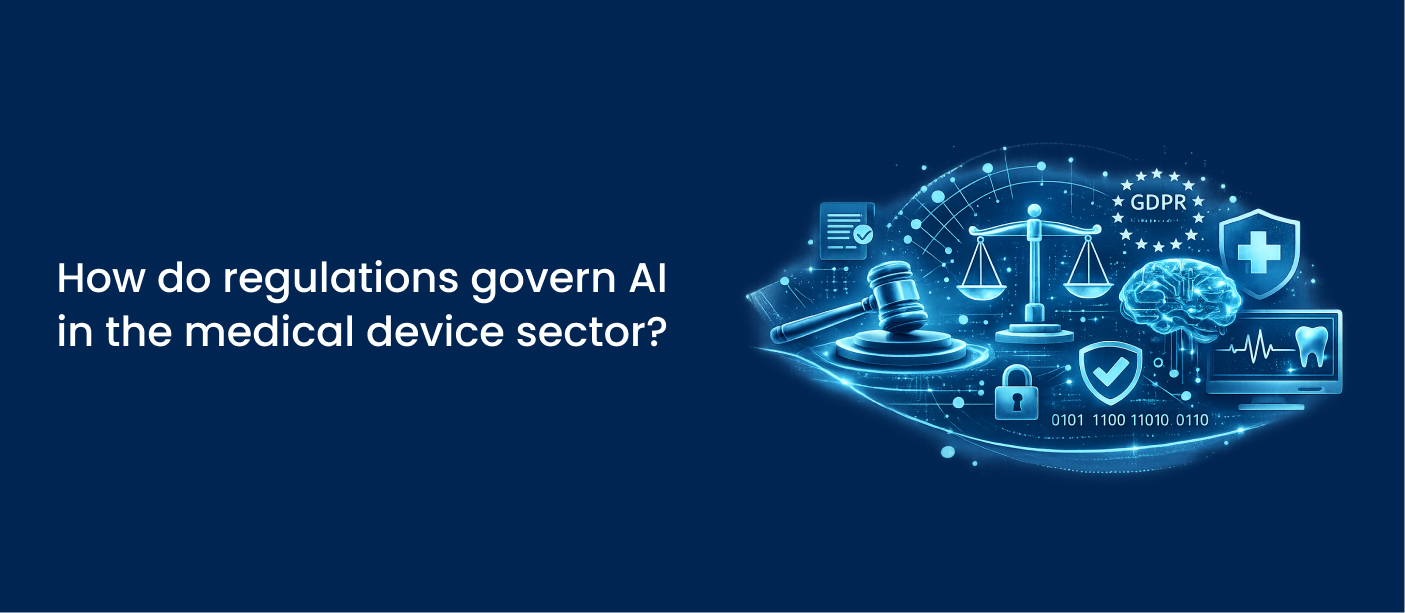
Artificial intelligence is gradually making its way into dental practices: assistance with X-ray analysis, detection of clinical signs… Solutions are multiplying, but how can a dentist distinguish a truly safe solution from mere software wrapped up in marketing hype? The answer can be summed up in two words: regulatory framework.

The purpose of the European regulatory framework is to distinguish between software that merely provides assistance and medical devices (e.g., diagnostic support software) that are subject to strict safety, performance, and clinical validation requirements. Today, we’ll break down some of these rules.

A booming market

In just a few years, the market for AI solutions applied to dental care has exploded. From diagnostic assistance to communication, practice management, and documentation, the range of applications for AI is expanding all the time! Some tools are actual medical devices, designed, tested, and clinically validated.

Ultimately, just like Allisone —a CE-marked medical device—any healthcare software that makes claims regarding clinical performance must comply with a strict regulatory framework, which is essential to ensuring the safety of patient care. It is precisely to address this challenge that the European regulatory framework has evolved.

The Medical Devices Regulation: A Safety Framework for Healthcare Practitioners

To strengthen the regulatory framework, Regulation (EU) 2017/745 on medical devices has replaced Directive 93/42 in Europe. It requires manufacturers, as well as importers, distributors, and health authorities, to comply with stricter standards that strictly govern the placing on the market of medical devices in Europe. Since its implementation, this regulation has significantly strengthened requirements regarding safety, performance validation, vigilance, and post-market surveillance. These obligations are particularly rigorous for emerging technologies, specifically targeting certain artificial intelligence software when used for medical purposes.

For diagnostic support software to be marketed in Europe, it must meet essential safety and performance requirements, undergo a documented clinical evaluation, and obtain the CE mark. The CE mark is not merely an administrative formality. It certifies that an independent notified body has assessed the device’s compliance, that the data supporting it are valid and robust, and that the manufacturer has a post-market surveillance system in place. In other words, the CE mark guarantees that the tool has been tested under conditions similar to those in a clinical practice and that its performance has been rigorously verified.

Every medical device, whether physical or digital, is categorized according to a specific classification. For example, learn more about howAllisone obtained its CE marking.

In a market where any vendor can market itself as an AI solution for dentistry, regulatory compliance serves as a key indicator. A CE-marked medical device, certified under the MDR, has undergone a rigorous, lengthy, and costly validation process—precisely because clinical evidence must be provided.

The GDPR: Protecting Patient and User Data

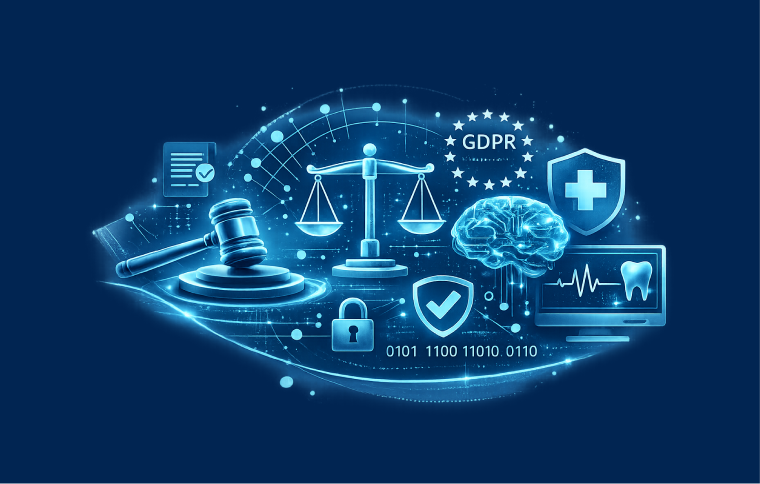
The General Data Protection Regulation (GDPR) plays a crucial role in the use of AI in medical devices. It ensures that patient data—which is essential to the functioning of these tools—is collected, processed, and stored securely and ethically. At Allisone, patient and user data is hosted by an HDS- and ISO 27001-certified provider to ensure a high level of security and data protection, while providing maximum transparency regarding its use.

The AI Act: A New European Framework for Artificial Intelligence

The AI Act, which has been in effect since 2025, complements the regulatory framework governing artificial intelligence systems in Europe. Some of its provisions have already taken effect, while the specific requirements for high-risk AI systems (for medical devices) are still subject to a transition period and technical clarifications.

The text classifies uses of AI according to their level of risk and introduces appropriate requirements, particularly in the healthcare sector. Among these requirements, one concept is central: human oversight. AI does not replace healthcare professionals; it serves as a supportive tool.

At Allisone, this approach is at the heart of how the solution works: AI acts as a “second reader,” capable of helping to identify certain elements on X-rays, but it is always the clinician who analyzes the images, makes corrections if necessary, and validates the final decision.

The goal is therefore clear: to provide useful, secure, and well-regulated AI that supports clinical expertise without replacing it.

Allisone , a CE-marked AI system

Allisone is a CE-marked medical device. This certification means that the solution meets the regulatory requirements applicable to its medical use, particularly with regard to safety, performance, and validation.

In practical terms, this commitment is based on three fundamental pillars:

  1. An even more reassuring tool —Our commitment to providing reliable, high-quality services and products that customers, users, and patients can trust.
  2. A guarantee of safety and performance —We demonstrate, with supporting evidence, that our technology tangibly improves the detection of diseases.
  3. Continuous monitoring of safety and performance— Like any medical device, Allisone is subject to post-market surveillance. This allows for monitoring of its use over time and ensures that it continues to meet the standards required for medical practice.

The AI we're putting in your hands has been validated. It has been tested. Its performance improves under supervision. And it's designed to help you provide better care for your patients, not to replace your expertise.

Conclusion

European regulations on AI in medical devices—including the MDR, the GDPR, and the AI Act E—create a rigorous and consistent regulatory framework. Their goal is to ensure that technologies used in healthcare are safe, effective, and reliable.

For healthcare professionals, this framework provides essential assurance. It helps distinguish clinically validated tools from mere marketing claims, ensuring that only devices that have proven their value are incorporated into their practice.

At Allisone, we view these regulations as the foundation of our commitment to you. It is by strictly adhering to these requirements that we are building medical AI you can trust—technology designed to enhance and support your expertise and improve the safety of care for your patients.

Blog

Related articles

All the latest news on the future of dentistry

Not yet an Allisone user

Request a demo

AI & Medical Technology: How Regulations Ensure Safety and Build Trust Among Healthcare Providers

Published on
June 30, 2026

The regulations ensure that the AI used at the practice is reliable, secure, and validated.

Artificial intelligence is gradually making its way into dental practices: assistance with X-ray analysis, detection of clinical signs… Solutions are multiplying, but how can a dentist distinguish a truly safe solution from mere software wrapped up in marketing hype? The answer can be summed up in two words: regulatory framework.

The purpose of the European regulatory framework is to distinguish between software that merely provides assistance and medical devices (e.g., diagnostic support software) that are subject to strict safety, performance, and clinical validation requirements. Today, we’ll break down some of these rules.

A booming market

In just a few years, the market for AI solutions applied to dental care has exploded. From diagnostic assistance to communication, practice management, and documentation, the range of applications for AI is expanding all the time! Some tools are actual medical devices, designed, tested, and clinically validated.

Ultimately, just like Allisone —a CE-marked medical device—any healthcare software that makes claims regarding clinical performance must comply with a strict regulatory framework, which is essential to ensuring the safety of patient care. It is precisely to address this challenge that the European regulatory framework has evolved.

The Medical Devices Regulation: A Safety Framework for Healthcare Practitioners

To strengthen the regulatory framework, Regulation (EU) 2017/745 on medical devices has replaced Directive 93/42 in Europe. It requires manufacturers, as well as importers, distributors, and health authorities, to comply with stricter standards that strictly govern the placing on the market of medical devices in Europe. Since its implementation, this regulation has significantly strengthened requirements regarding safety, performance validation, vigilance, and post-market surveillance. These obligations are particularly rigorous for emerging technologies, specifically targeting certain artificial intelligence software when used for medical purposes.

For diagnostic support software to be marketed in Europe, it must meet essential safety and performance requirements, undergo a documented clinical evaluation, and obtain the CE mark. The CE mark is not merely an administrative formality. It certifies that an independent notified body has assessed the device’s compliance, that the data supporting it are valid and robust, and that the manufacturer has a post-market surveillance system in place. In other words, the CE mark guarantees that the tool has been tested under conditions similar to those in a clinical practice and that its performance has been rigorously verified.

Every medical device, whether physical or digital, is categorized according to a specific classification. For example, learn more about howAllisone obtained its CE marking.

In a market where any vendor can market itself as an AI solution for dentistry, regulatory compliance serves as a key indicator. A CE-marked medical device, certified under the MDR, has undergone a rigorous, lengthy, and costly validation process—precisely because clinical evidence must be provided.

The GDPR: Protecting Patient and User Data

The General Data Protection Regulation (GDPR) plays a crucial role in the use of AI in medical devices. It ensures that patient data—which is essential to the functioning of these tools—is collected, processed, and stored securely and ethically. At Allisone, patient and user data is hosted by an HDS- and ISO 27001-certified provider to ensure a high level of security and data protection, while providing maximum transparency regarding its use.

The AI Act: A New European Framework for Artificial Intelligence

The AI Act, which has been in effect since 2025, complements the regulatory framework governing artificial intelligence systems in Europe. Some of its provisions have already taken effect, while the specific requirements for high-risk AI systems (for medical devices) are still subject to a transition period and technical clarifications.

The text classifies uses of AI according to their level of risk and introduces appropriate requirements, particularly in the healthcare sector. Among these requirements, one concept is central: human oversight. AI does not replace healthcare professionals; it serves as a supportive tool.

At Allisone, this approach is at the heart of how the solution works: AI acts as a “second reader,” capable of helping to identify certain elements on X-rays, but it is always the clinician who analyzes the images, makes corrections if necessary, and validates the final decision.

The goal is therefore clear: to provide useful, secure, and well-regulated AI that supports clinical expertise without replacing it.

Allisone , a CE-marked AI system

Allisone is a CE-marked medical device. This certification means that the solution meets the regulatory requirements applicable to its medical use, particularly with regard to safety, performance, and validation.

In practical terms, this commitment is based on three fundamental pillars:

  1. An even more reassuring tool —Our commitment to providing reliable, high-quality services and products that customers, users, and patients can trust.
  2. A guarantee of safety and performance —We demonstrate, with supporting evidence, that our technology tangibly improves the detection of diseases.
  3. Continuous monitoring of safety and performance— Like any medical device, Allisone is subject to post-market surveillance. This allows for monitoring of its use over time and ensures that it continues to meet the standards required for medical practice.

The AI we're putting in your hands has been validated. It has been tested. Its performance improves under supervision. And it's designed to help you provide better care for your patients, not to replace your expertise.

Conclusion

European regulations on AI in medical devices—including the MDR, the GDPR, and the AI Act E—create a rigorous and consistent regulatory framework. Their goal is to ensure that technologies used in healthcare are safe, effective, and reliable.

For healthcare professionals, this framework provides essential assurance. It helps distinguish clinically validated tools from mere marketing claims, ensuring that only devices that have proven their value are incorporated into their practice.

At Allisone, we view these regulations as the foundation of our commitment to you. It is by strictly adhering to these requirements that we are building medical AI you can trust—technology designed to enhance and support your expertise and improve the safety of care for your patients.

Get the latest updates from Allisone your inbox.

Get the latest updates from Allisone your inbox.

Our best news, once a month.
Guaranteed spam-free and full of good advice!

Allisoneas the data controller, processes the personal data collected in this form in order to process your request. For more information, please consult our privacy policy
Thank you! Your submission has been received!
Oops! Something went wrong while submitting the form.

Not yet an Allisone user

Find out what Allisone can do for you

DISCOVER ALLISONE